Author: AA

  • Dagmar de Brito, Perth, Australia

    Dagmar de Brito, Perth, Australia

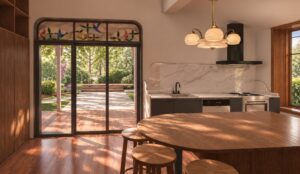
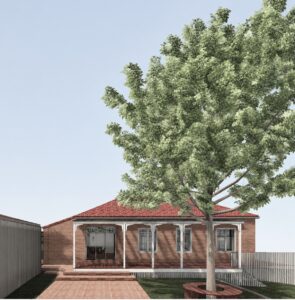
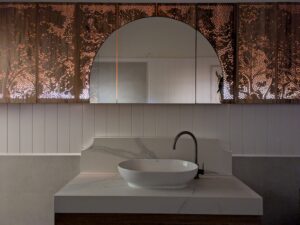
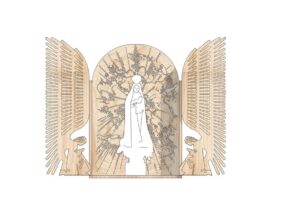
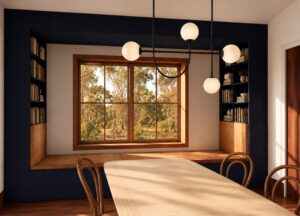
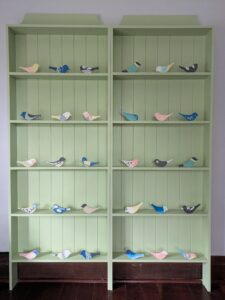
    Originally from the Czech Republic, Dagmar de Brito began her architectural career in Europe before moving to Australia, where she completed her professional registration in Brisbane. She subsequently settled in Perth, Western Australia, establishing her own architecture and design studio. She is also a devoted wife and mother. raising and homeschooling her five children.

    Dagmar’s approach to architecture is grounded in an appreciation of beauty, tradition and the influence of the built environment on everyday life. She is particularly interested in the accumulated wisdom of traditional architecture and how its principles can be understood and creatively applied to contemporary buildings.

    Her interest in beauty extends beyond architecture into philosophy and theology, particularly the Catholic understanding of Via Pulchritudinis, or the Way of Beauty. This tradition recognises beauty not simply as an aesthetic quality, but as something capable of directing human experience towards deeper meaning and, ultimately, the divine.

    These interests also inspired Dagmar to establish Chasing Beauty, a blog exploring the meaning of beauty and its influence on how we perceive and experience the world. Through both her writing and architectural work, she seeks to encourage an understanding of beauty as an integral part of daily life, rather than an optional embellishment.

    Looking ahead, Dagmar hopes to concentrate her practice on small-scale residential architecture, interior design and sacred architecture. Her interests reflect a conviction that tradition remains a living source of knowledge and inspiration, and that beauty has an enduring place in the design of our homes, communities and places of worship.

    Website and blog: www.kosatkaa.com.au

  • Traditional And Classical Architecture Conference in Hobart

    Traditional And Classical Architecture Conference in Hobart

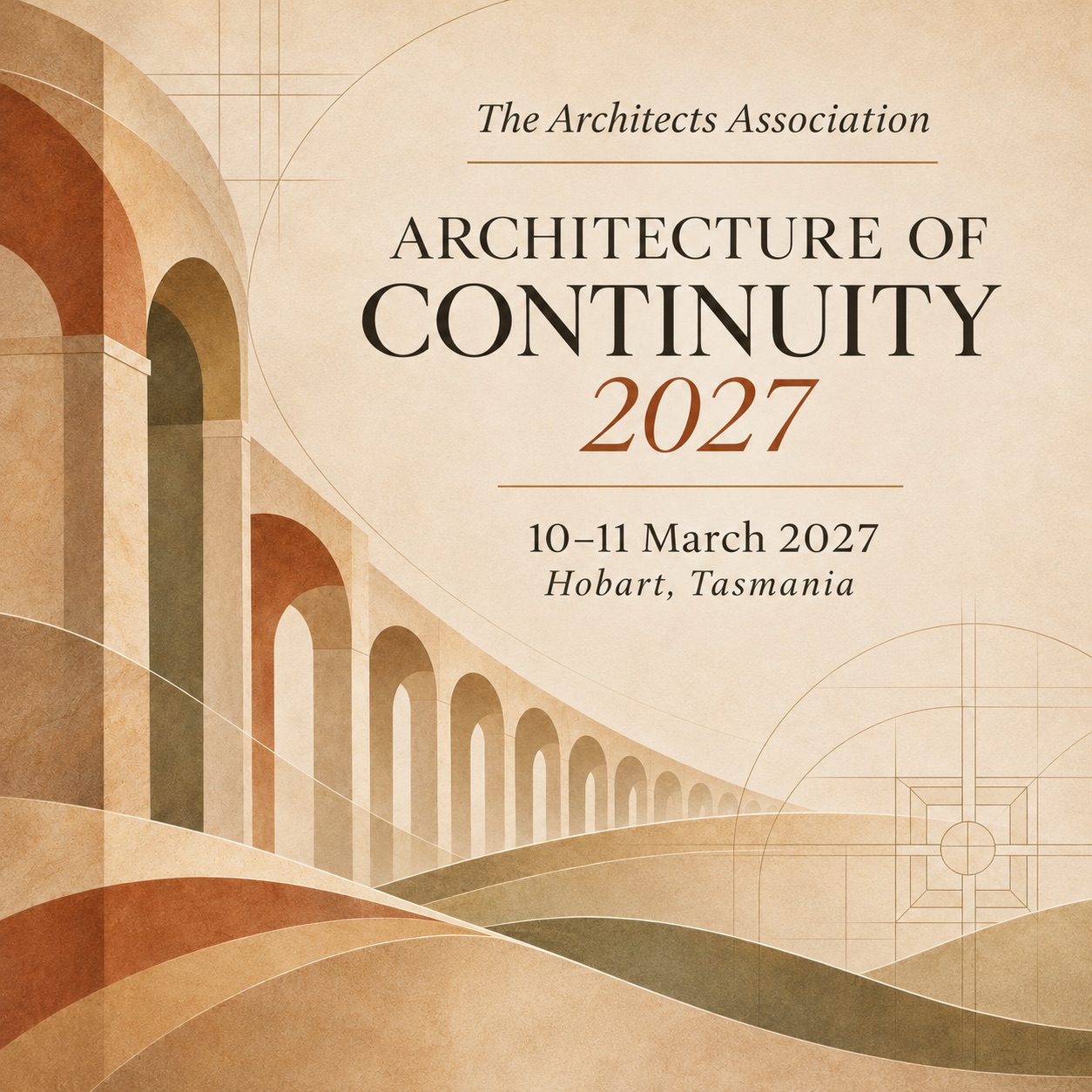
    Architecture of Continuity 2027

    Hobart, Tasmania

    The Architects Association will hold its inaugural conference, Architecture of Continuity 2027, in Hobart on 10–11 March 2027.

    Dedicated to the memory of architect and urbanist Léon Krier, the conference will examine how traditional architecture and urbanism responds to contemporary needs while sustaining and improving local character and culture.

    The programme will address traditional and classical design, craftsmanship, vernacular building traditions and architectural education. Presentations and discussions will consider their application to new buildings and settlements in Australia, New Zealand, the Pacific, and beyond.

    Confirmed speakers include Professor Robert Adam (United Kingdom), Nadia Everard (Belgium), Vincent Holloway (New Zealand), Michael Diamant (Sweden), and Australian presenters Michael Suttie, Daniel Skinner and Jiri Lev.

    In-person attendance is limited to 30 professionals, allowing time for discussion and questions. International contributions will include presentations in person and by video link.

    The conference begins at 1 pm on 10 March, includes a formal dinner, and concludes with luncheon on 11 March. Registration is AUD $220 (including both meals) and will open in January, to the Association’s members first. An optional tour of Tasmania’s architectural heritage is planned following the conference.

    The programme aims to offer up to 10 formal CPD points, subject to final programme confirmation and applicable professional requirements.

    Members and non-members are welcome. Programme and registration updates will be published on the Association’s conference page architectsassociation.org/architecture-of-continuity-2027/.

    For speaker and registration announcements follow our social media channels.

  • Vincent Holloway, Christchurch, New Zealand

    Vincent Holloway, Christchurch, New Zealand

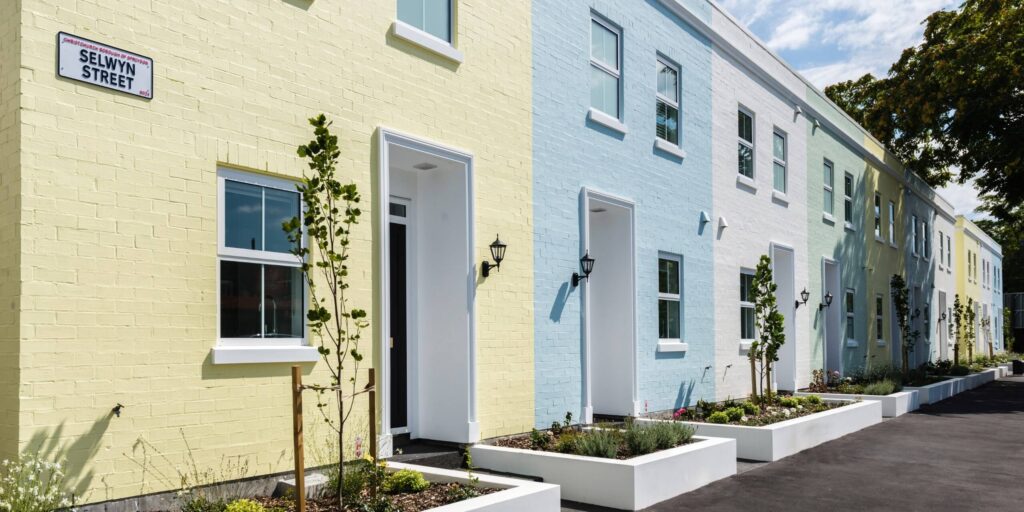
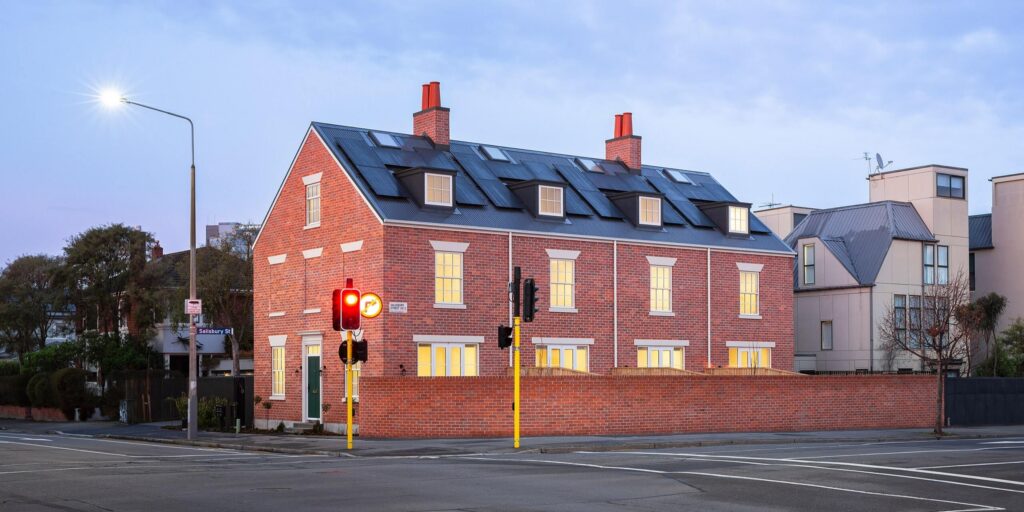
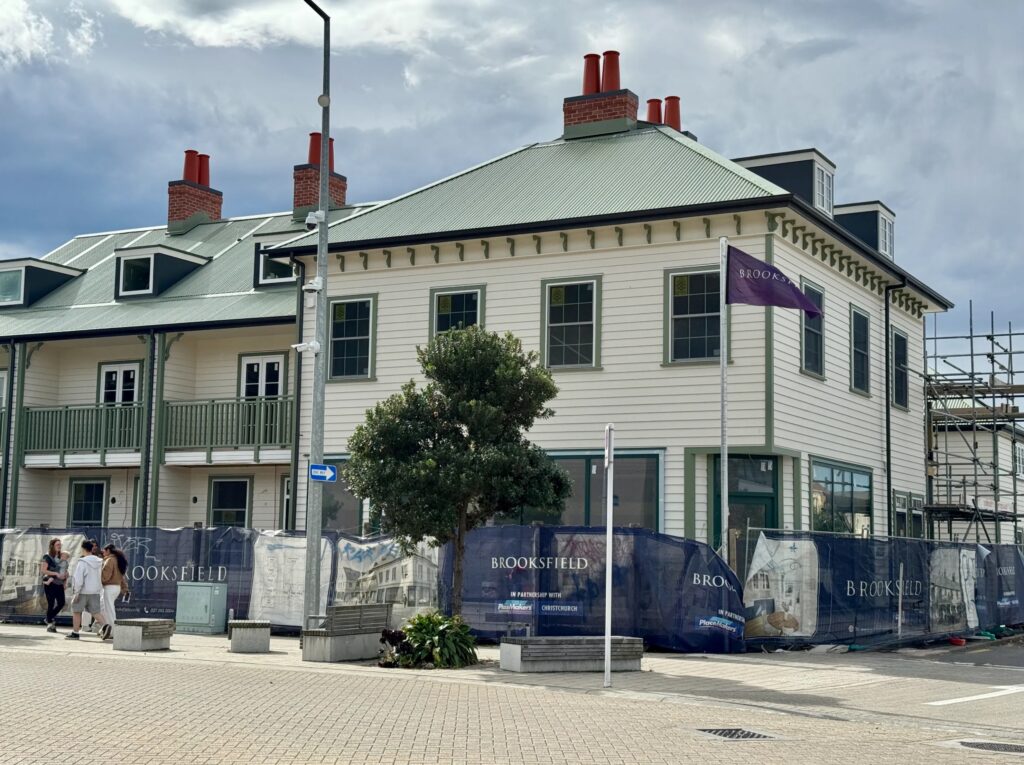
    Vincent Holloway is a Christchurch-based property developer and co-founder of Brooksfield, a company gaining recognition for bringing traditional architectural character back into New Zealand’s residential developments.

    A qualified builder and former real estate agent, Holloway established Brooksfield with business partner Oliver Hickman in 2019. Inspired by the historic architecture of Christchurch and the Georgian terraces of London, the pair set out to demonstrate that new housing could be both commercially viable and architecturally beautiful.

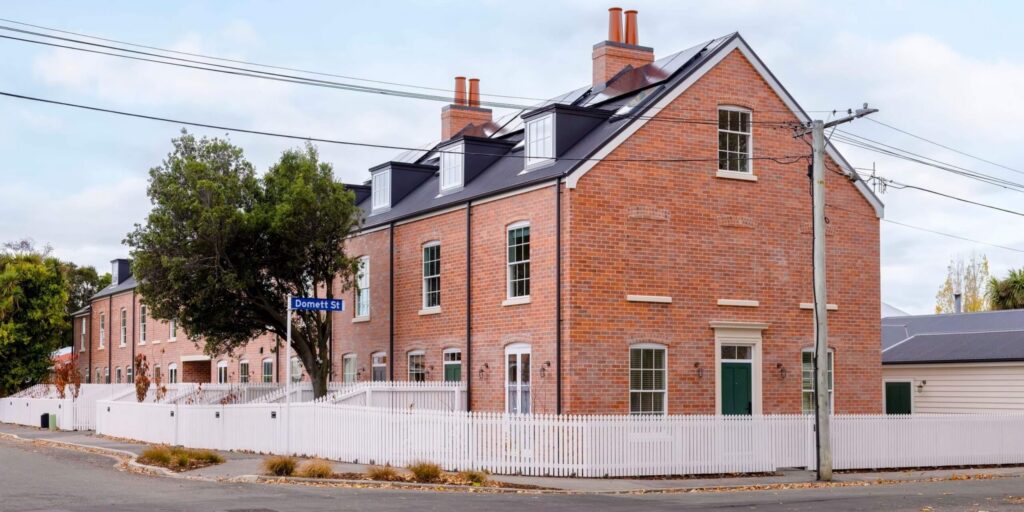
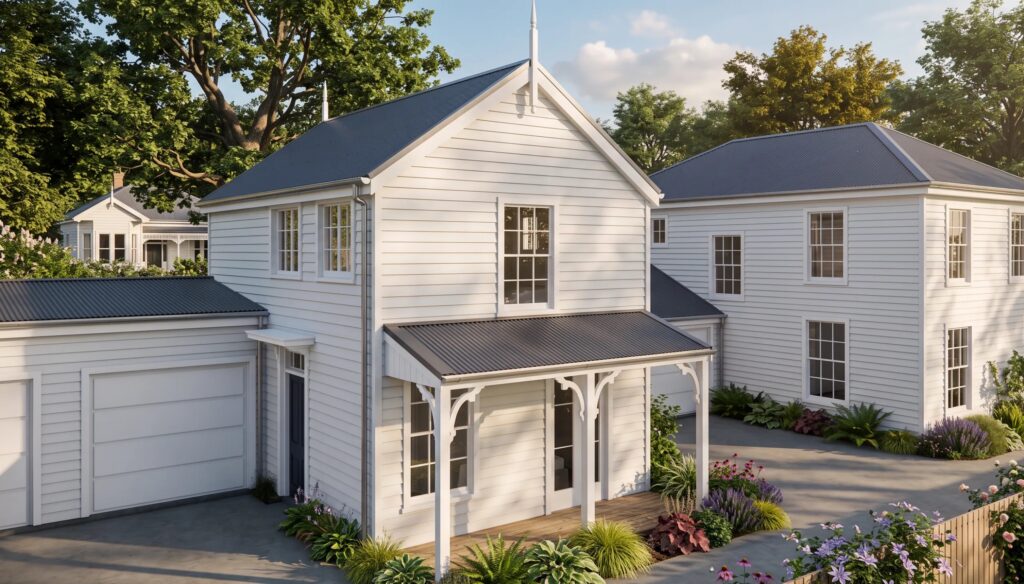
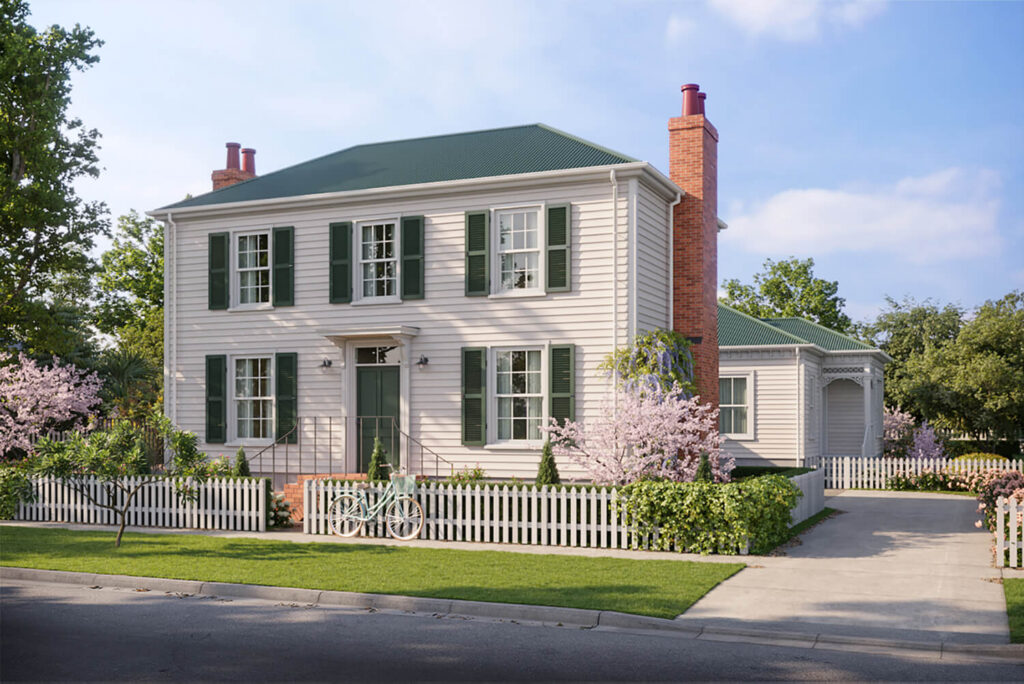
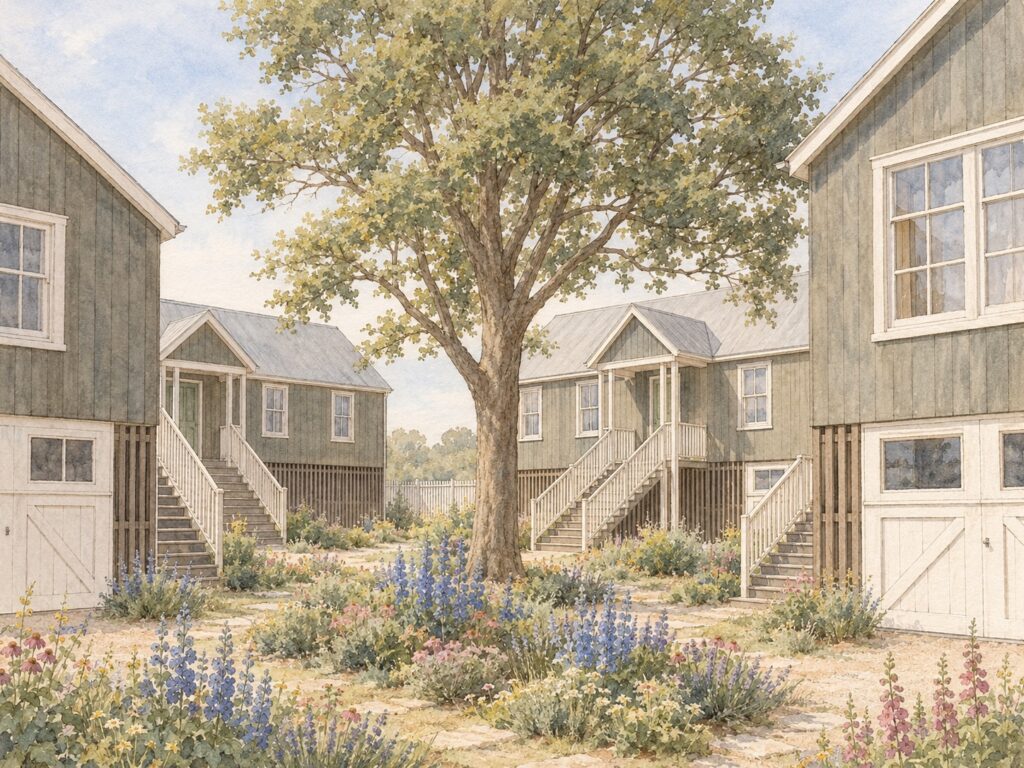
    Brooksfield has since delivered more than 600 homes, ranging from modest weatherboard cottages to substantial Georgian-inspired townhouses. Its developments draw upon New Zealand’s established architectural traditions, incorporating familiar materials, carefully proportioned façades, pitched roofs and traditional detailing, alongside contemporary construction methods.

    Holloway has become an advocate for better urban development, arguing that much of the public resistance to residential intensification arises from the poor architectural quality of new housing rather than density itself. His work demonstrates how additional homes can be introduced into established neighbourhoods while respecting their character and contributing positively to the streetscape.

    He also emphasises durability, appropriate materials and the relationship between beauty and long-term stewardship. Buildings that people appreciate are more likely to be maintained and preserved for future generations.

    With Brooksfield expanding beyond Christchurch, Holloway offers an encouraging example of how commercially successful property development can help revive traditional architecture, not merely in exceptional individual buildings, but as an ordinary and valued part of everyday housing.

    Website: brooksfield.co.nz

  • Jiri Lev, Tasmania, Australia

    Jiri Lev, Tasmania, Australia

    Czech-born Australian architect and urbanist Jiri Lev leads Jiri Lev Architects, a Tasmania-based practice working across Australia and internationally. He established his design practice in Europe before moving to Australia in 2005, later completing a Master of Architecture at the University of Newcastle in 2019. His practice encompasses residential, civic, commercial and sacred architecture, heritage conservation and urban design.

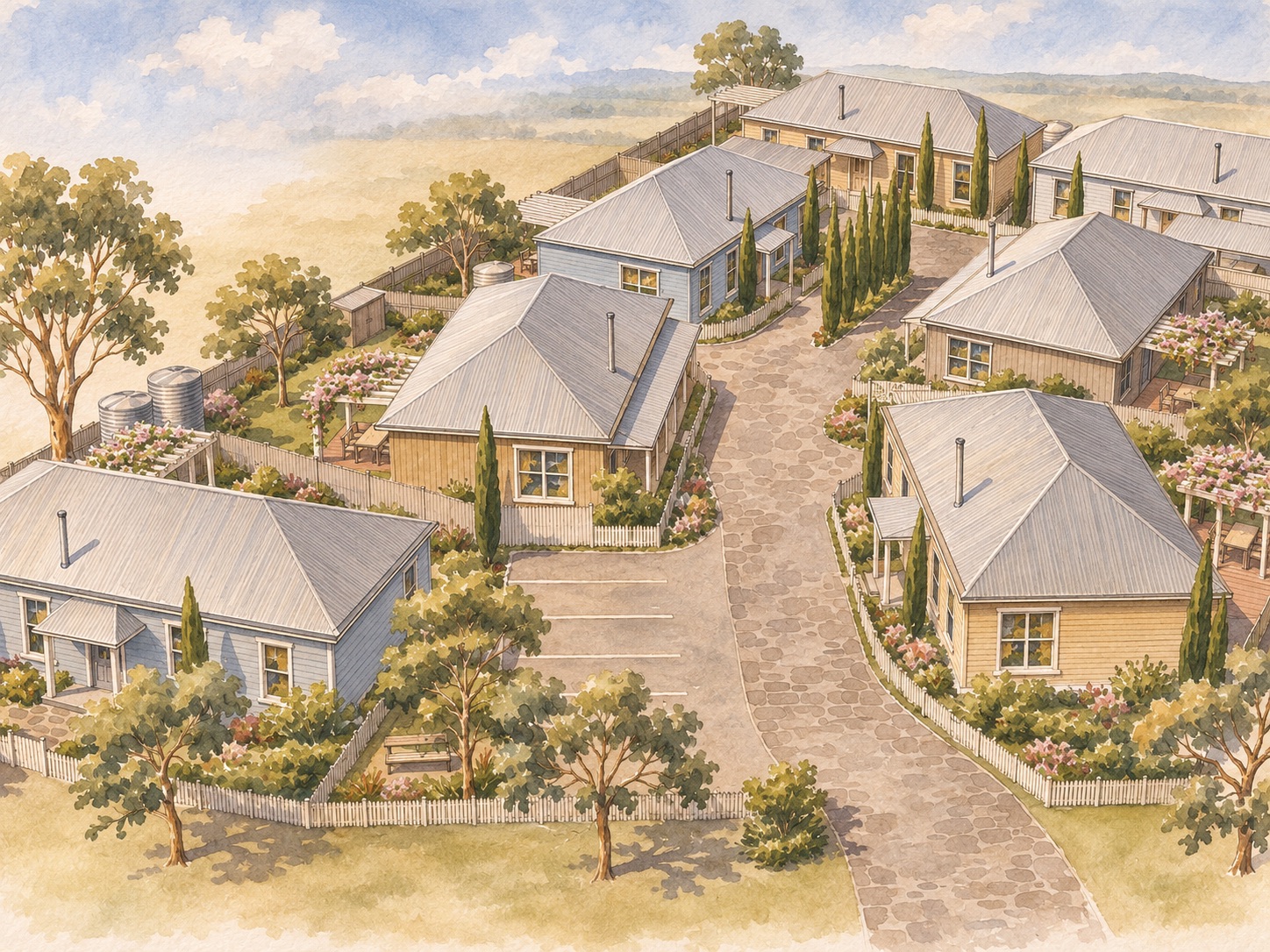
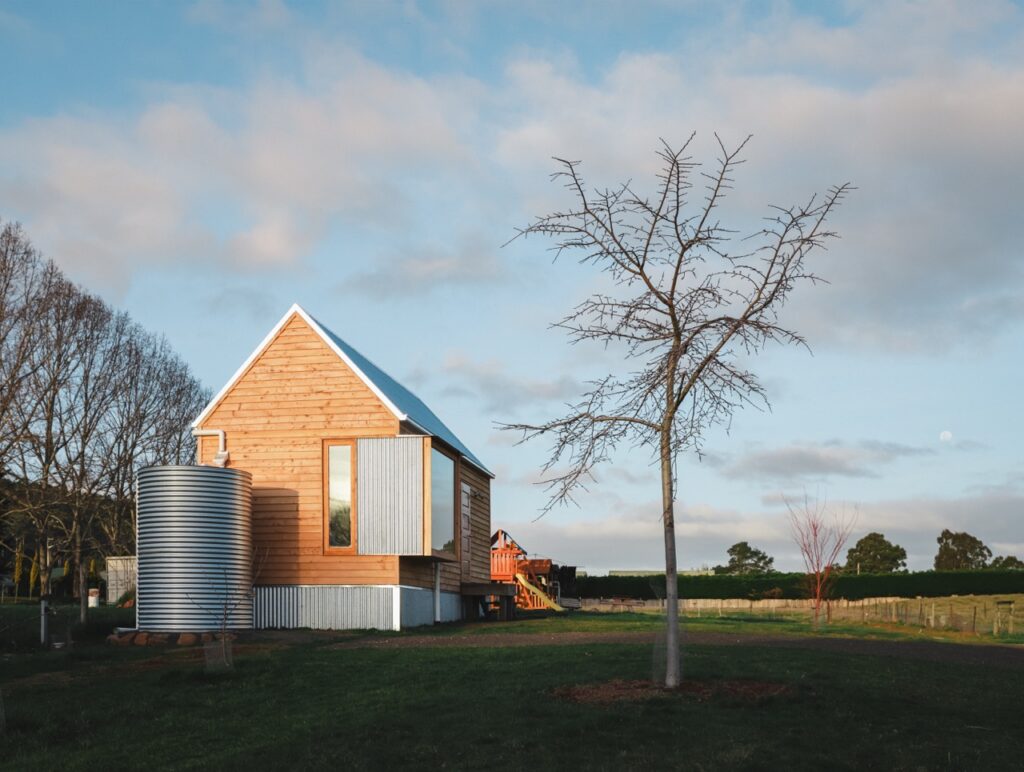
    His work ranges from modest houses and rural homesteads to community buildings, churches and urban design projects. The open-source Tasmanian House series is among his most distinctive initiatives: a collection of compact, owner-builder-oriented homes developed to demonstrate how good design, natural materials and local building traditions can produce architecturally refined, yet genuinely affordable housing.

    Alongside his commissioned work, Lev has pursued public-interest architecture. In 2020 he founded Architects Assist, a national initiative bringing together hundreds of architectural practices to provide pro bono assistance to people and communities affected by natural disasters. In 2021 he established Architekti Pro Bono in the Czech Republic following the South Moravia tornado. He is also the founding president of The Architects Association, an independent organisation promoting traditional, classical and locally characteristic architecture across Australia, New Zealand and the Pacific.

    Across his work, Lev places particular emphasis on regional character, proportion, natural materials, craftsmanship, affordability and environmental performance. He draws on classical and vernacular traditions without treating them as fixed styles to be reproduced. For him, tradition is an evolving body of practical knowledge, capable of informing contemporary buildings that are durable, healthy, beautiful and suited to their place.

    Website: lev.au

  • Michael Suttie, Sydney, Australia

    Michael Suttie, Sydney, Australia

    Sydney architect Michael Suttie has followed an unusual path into architecture, combining a background in engineering with years of practical experience in traditional European building crafts. Today, as director of M.J. Suttie Architects, he is among Australia’s committed practitioners of classical and traditional architecture and urbanism.

    Originally trained in mining engineering at the University of New South Wales, Suttie spent much of the following decade in Europe, working as a stonemason, carpenter and artisan in Britain, France, Italy, Belgium and Greece. His experience included work with Fairhaven Stone in Cambridgeshire, where he developed an appreciation for the skill and knowledge embodied in traditional construction. He subsequently completed a Master’s degree in Classical and Traditional Architecture and Urbanism at the University of Notre Dame in the United States, with further studies in Rome.

    Returning to Australia in 2008, Suttie developed a Sydney-based practice undertaking residential, ecclesiastical, educational and urban design projects. His work reflects a conviction that beauty, durability and usefulness belong together, and that the accumulated knowledge of traditional architecture remains relevant to contemporary building.

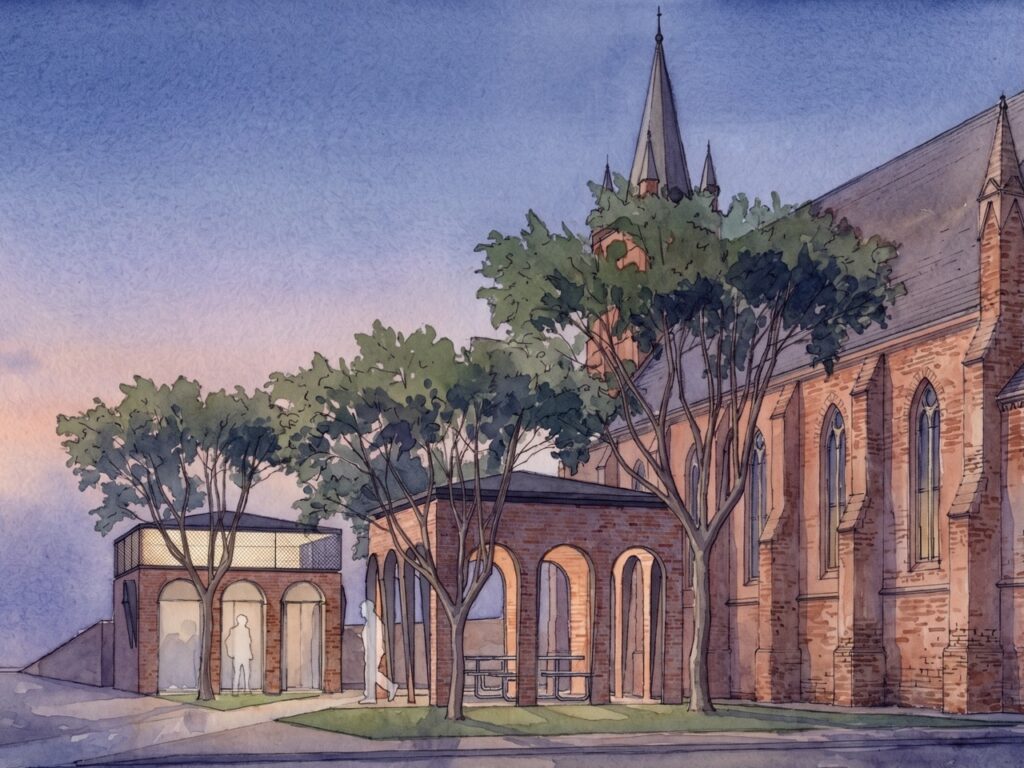
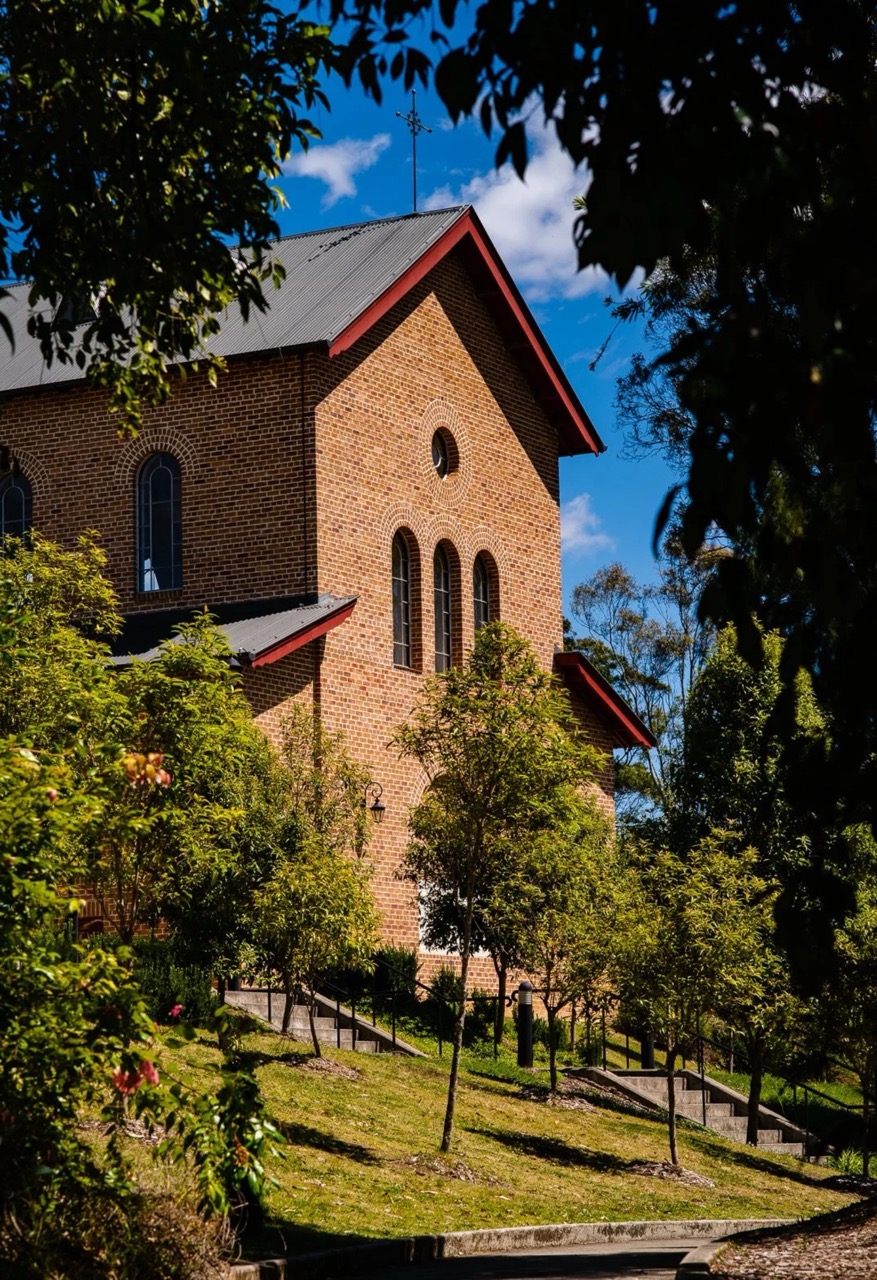
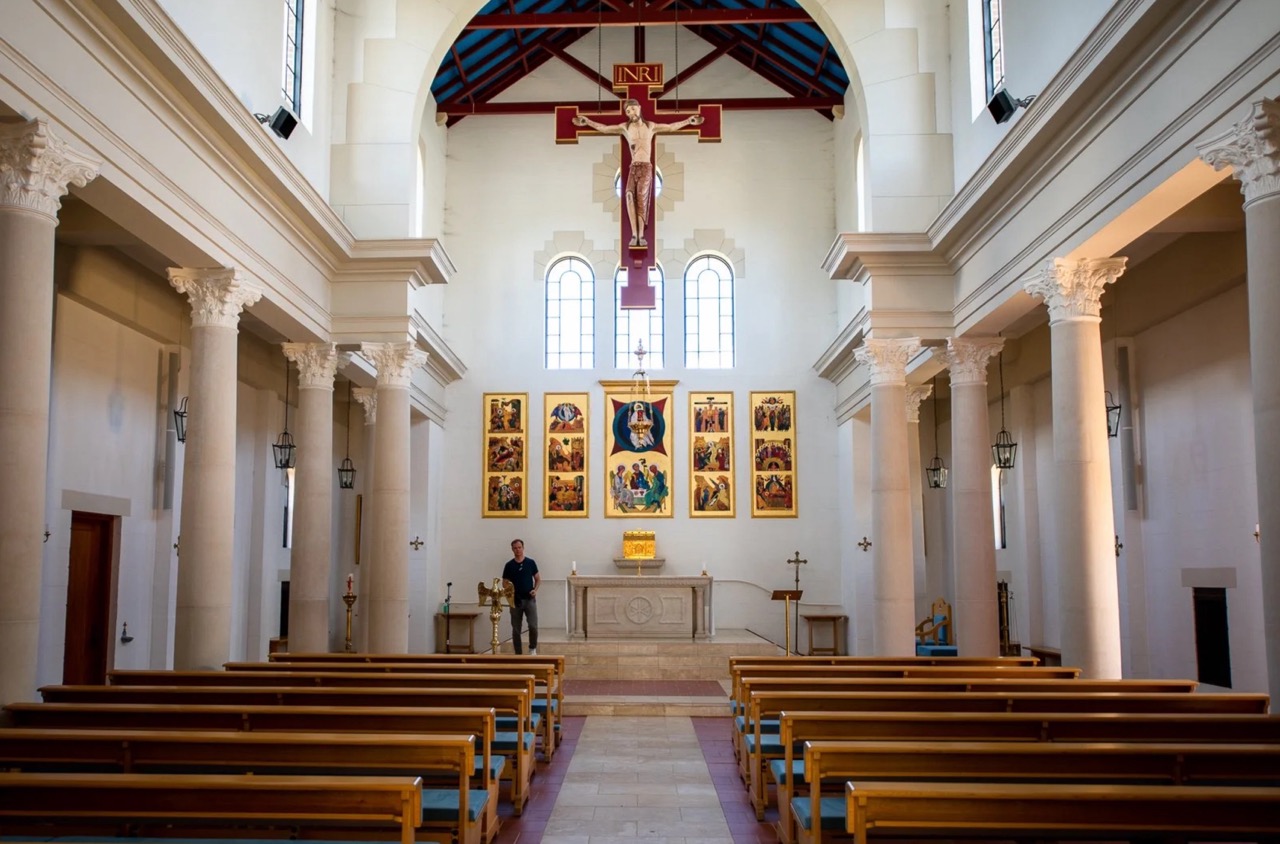
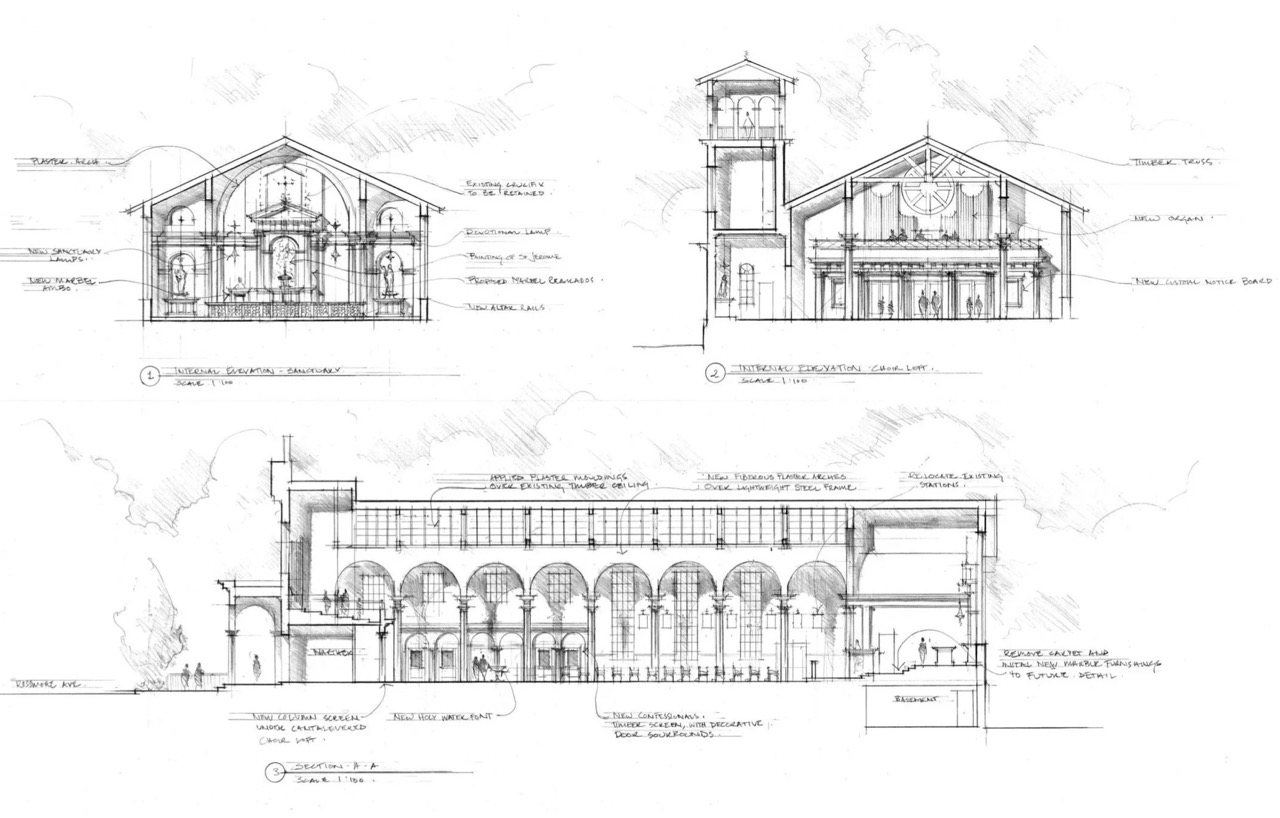
    Among his notable commissions is the Benedict XVI Chapel and Retreat Centre at Gross Vale, near the Blue Mountains, completed in 2014. As lead designer, working in collaboration with Sidney Rofe, Suttie helped create a complex of eleven buildings arranged within a bushland setting. His practice has also undertaken the substantial transformation of Holy Family Church in Menai, bringing together architectural design and the work of skilled artists and craftspeople.

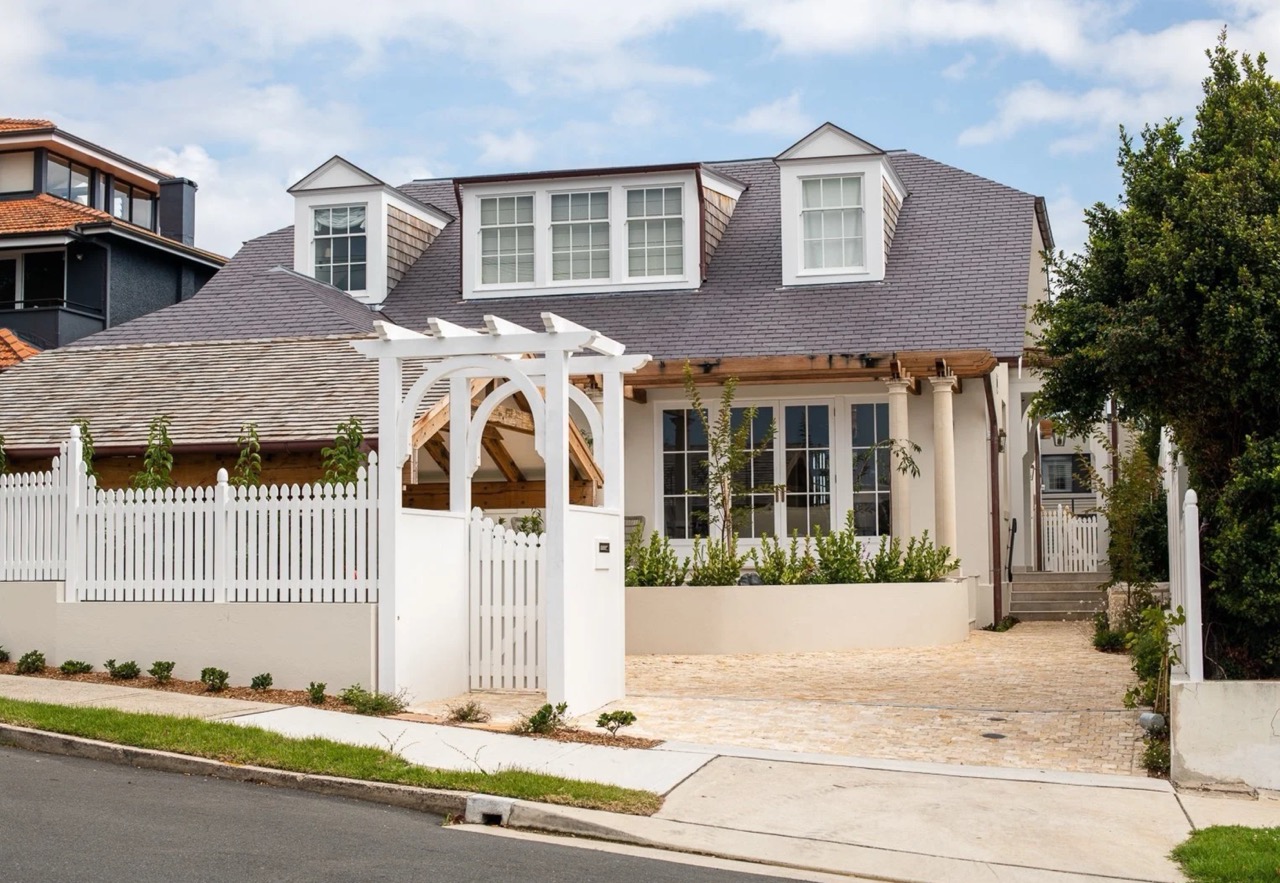
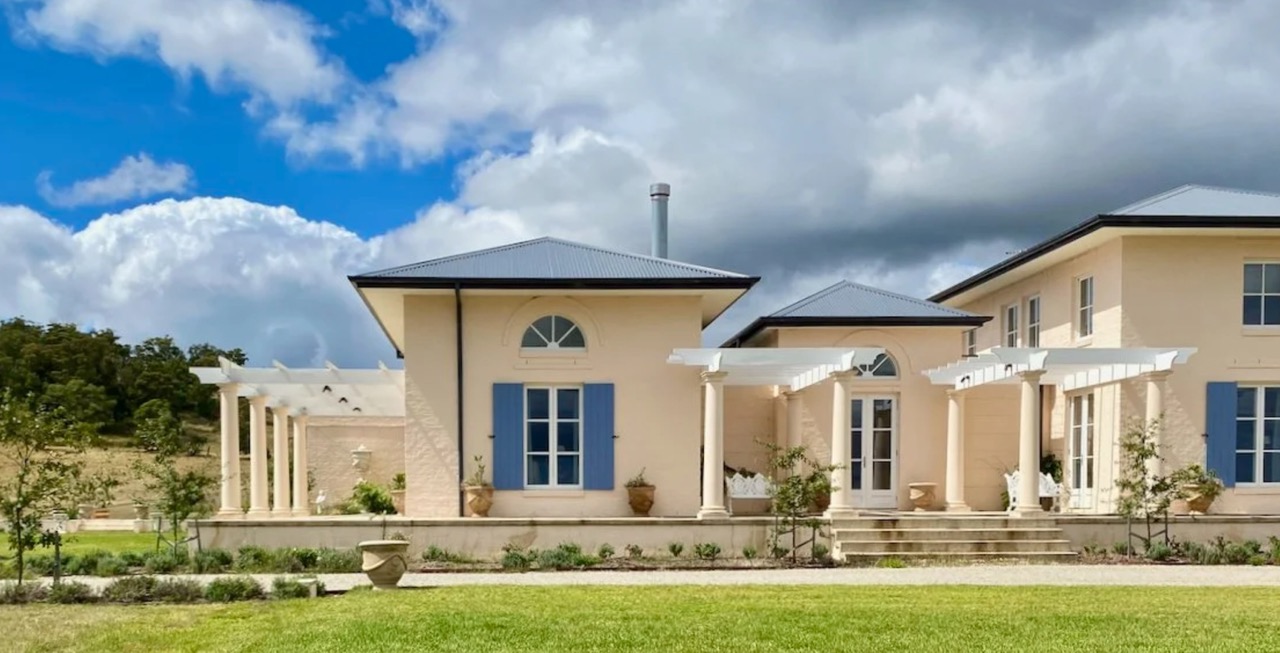
    Residential projects such as Maison Clairvaux demonstrate a similar attention to proportion, detail and craftsmanship, showing how relatively modest interventions can transform an ordinary building. Beyond individual buildings, the practice’s urban design work advocates walkable neighbourhoods, coherent streets and public spaces shaped around human needs.

    Suttie also serves as Vice President for Professional Affairs of The Architects Association, contributing his experience and commitment to the revival of living architectural traditions in Australia.

    Website: mjsuttiearchitects.com.au

  • Greg Noble, Auckland, New Zealand

    Greg Noble, Auckland, New Zealand

    New Zealand architectural designer Greg Noble has pursued a career distinguished by classical design, historic conservation and an unusually practical interest in how buildings sit within their landscapes. Trained in Scotland, he subsequently spent three years with the London conservation practice of Donald W. Insall and Associates. After working in Britain, he returned to Auckland in 2002, establishing his practice in Parnell and collaborating with his wife, interior designer Georgie Noble.

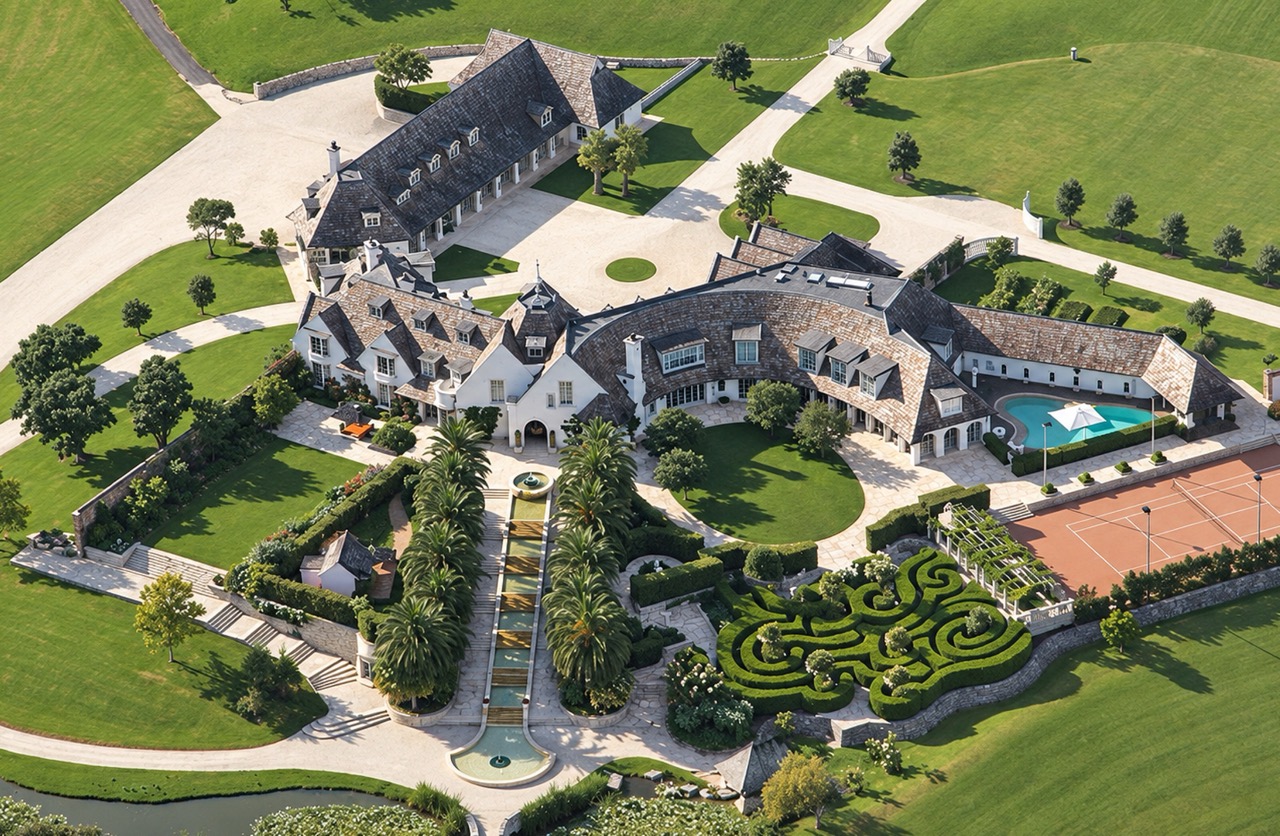
    His best-known commissions include the imposing Coatesville estate north of Auckland, an English-style country house conceived with extensive formal gardens and parkland. Reported as New Zealand’s largest private residence when offered for sale in 2009, it demonstrated the potential for ambitious new traditional architecture. Other projects include a classical villa on Auckland’s Paritai Drive and the restoration of a seventeenth-century cottage in Shropshire, England, complete with new gatehouses and walled gardens.

    Yet Noble’s practice cannot be reduced to grand classical houses. On Great Barrier Island, he designed his own off-grid home, combining lightweight construction with a distinctive tensile-fabric roof. A subsequent remote coastal retreat fashioned from a modified shipping container expressed the same willingness to experiment with modest means and respond to place.

    Across these varied projects, his ethos remains consistent. Noble values proportion, craft, natural materials and the beauty of ageing well. Timber, stone, brick and lime plaster bring texture and permanence, while verandahs, loggias and carefully designed gardens create shelter, comfort and a connection to nature. He also considers low-energy living and restrained intervention integral to good design.

    For Noble, tradition is not a formula for copying the past. It is a body of accumulated knowledge, capable of producing buildings that are enduring, locally responsive and genuinely useful today. In this sense, his career bridges the worlds of conservation, new classical design and inventive, small-scale coastal living.

    Instagram: @gregnoblearchitecture

  • The Architects Association Expands Professional Engagement

    The Architects Association Expands Professional Engagement

    The Architects Association has initiated a broad programme of professional engagement across Australia, New Zealand and the Pacific, approaching more than 40 organisations and public bodies in its first round of correspondence.

    These include architects registration boards, professional associations, universities, government architects, heritage authorities, building regulators and government departments concerned with architecture, planning, education and the built environment.

    The initiative seeks to establish constructive professional relationships, encourage cooperation in education and research, and strengthen recognition of locally characteristic, traditional, classical and inherently sustainable architecture in contemporary practice.

    Responses have been encouraging, including expressions of interest in further professional discussions, invitations to meet with a senior government officials, and opportunities for exchanging professional information.

    The Association advocates for architectural continuity as a living and evolving practice, drawing upon established knowledge, local materials, climate, craftsmanship and cultural identity to inform contemporary development. Its ambition is to encourage the creation of distinctive and enduring places, creating the heritage of tomorrow, rather than merely reproducing the heritage of yesterday.

    As an independent, apolitical professional organisation, The Architects Association welcomes dialogue and cooperation with institutions representing the full breadth of the architectural profession.

    Further engagement is planned throughout the region, alongside preparations for the Association’s inaugural Architecture of Continuity conference in Tasmania in March 2027.

  • The Architects Association Journal Call for Submissions

    The Architects Association Journal Call for Submissions

    The Architects Association invites submissions for the inaugural issue of its Journal, dedicated to the advancement of traditional, classical and vernacular architecture and urbanism across Australia, New Zealand and the Pacific.

    We welcome articles, essays, research, architectural projects, drawings, photography and commentary exploring the beauty, practicality and enduring relevance of traditional architecture.

    Of particular interest are regional building traditions, contemporary traditional design, craftsmanship, historic buildings and settlements, traditional materials and construction methods, and the relationship between architecture, culture and place.

    Contributions from architects, academics, craftspeople, students and interested members of the public are welcome. Submissions from outside the region are also encouraged where they offer relevant insights or inspiration.

    The Journal will be published digitally and distributed free to subscribers internationally.

    All submissions must be received before 20 December 2026.

    Submissions and enquiries via architectsassociation.org

    We look forward to sharing the work and ideas of those helping to preserve, recover and advance the living traditions of architecture.

  • The Architects Association Founded to Advance Traditional Architecture and Serve Communities

    The Architects Association Founded to Advance Traditional Architecture and Serve Communities

    The Architects Association has been established as a professional association dedicated to the preservation and continued development of traditional, classical and locally characteristic architecture, craftsmanship and building practices, in Australia, New Zealand, and internationally.

    The Association brings together architects, academics, related professionals and others with an interest in the continuation and development of architectural traditions. It draws inspiration from the towns, buildings and public spaces that have evolved over generations, following local principles of design and construction that remain valuable today.

    “Most of the towns we love to holiday or live in were built using locally unique architectural principles, developed and refined gradually over centuries, quite happily without abrupt globalised fashions and trends. There is a great deal we can learn from them, and much that remains just as relevant today,” said the Association’s founding president, Tasmanian architect Jiri Lev.

    The Association’s activities will include education, publications, professional exchange and cooperation with specialist suppliers and craftspeople. Particular attention will be given to traditional materials and building techniques, and their continued development alongside modern methods of construction.

    Making good architecture more widely accessible is another of the Association’s aims, particularly in ordinary housing and community buildings, where thoughtful design can make a considerable difference to people’s lives.

    “Good architecture belongs to everyone. We would like to see more ordinary houses, public buildings, streets and neighbourhoods designed with the same care and sense of place that we admire in our architectural heritage,” Lev said.

    As part of its commitment to community service, the Association’s members will, according to their own available capacity, provide pro bono architectural assistance to those who might otherwise be unable to obtain it. This may include families recovering from natural disasters, individuals facing hardship, or community groups seeking to establish worthwhile projects. Requests for assistance will be welcomed and referred to participating members wherever practicable.

    The Association’s inaugural leadership comprises Jiri Lev as President, Sydney architect Michael Suttie, director of M. J. Suttie Architects, as Vice President for Professional Affairs, and architectural designer and writer Daniel Skinner as Vice President for Education & Publications and Secretary-Treasurer.

    Having already attracted interest from practitioners and supporters in Australia and New Zealand, the Association is now welcoming members internationally.

    The Association’s first conference, Architecture of Continuity, is provisionally scheduled for 11-12 March 2027 in Tasmania. The event, dedicated to the memory of architect and urbanist Leon Krier, will explore traditional architecture and evolution of sustainable building.

    The Association views architectural traditions as a living body of knowledge, capable of accommodating changing needs, materials and technologies while preserving the qualities that have made buildings and places useful, beautiful and enduring.

    Independent and apolitical, the Association was established on Christian foundations and is guided by the principles of charity, humility, honesty and diligence. Membership is open to people of all backgrounds, regardless of religion or political affiliation, who support its objectives and founding principles.

    The Association welcomes enquiries from prospective members, educational institutions, industry partners, supporters and sponsors.

    Further information: architectsassociation.org
  • Invitation to the Founding Meeting of The Architects Association
    Invitation to the Founding Meeting of The Architects Association

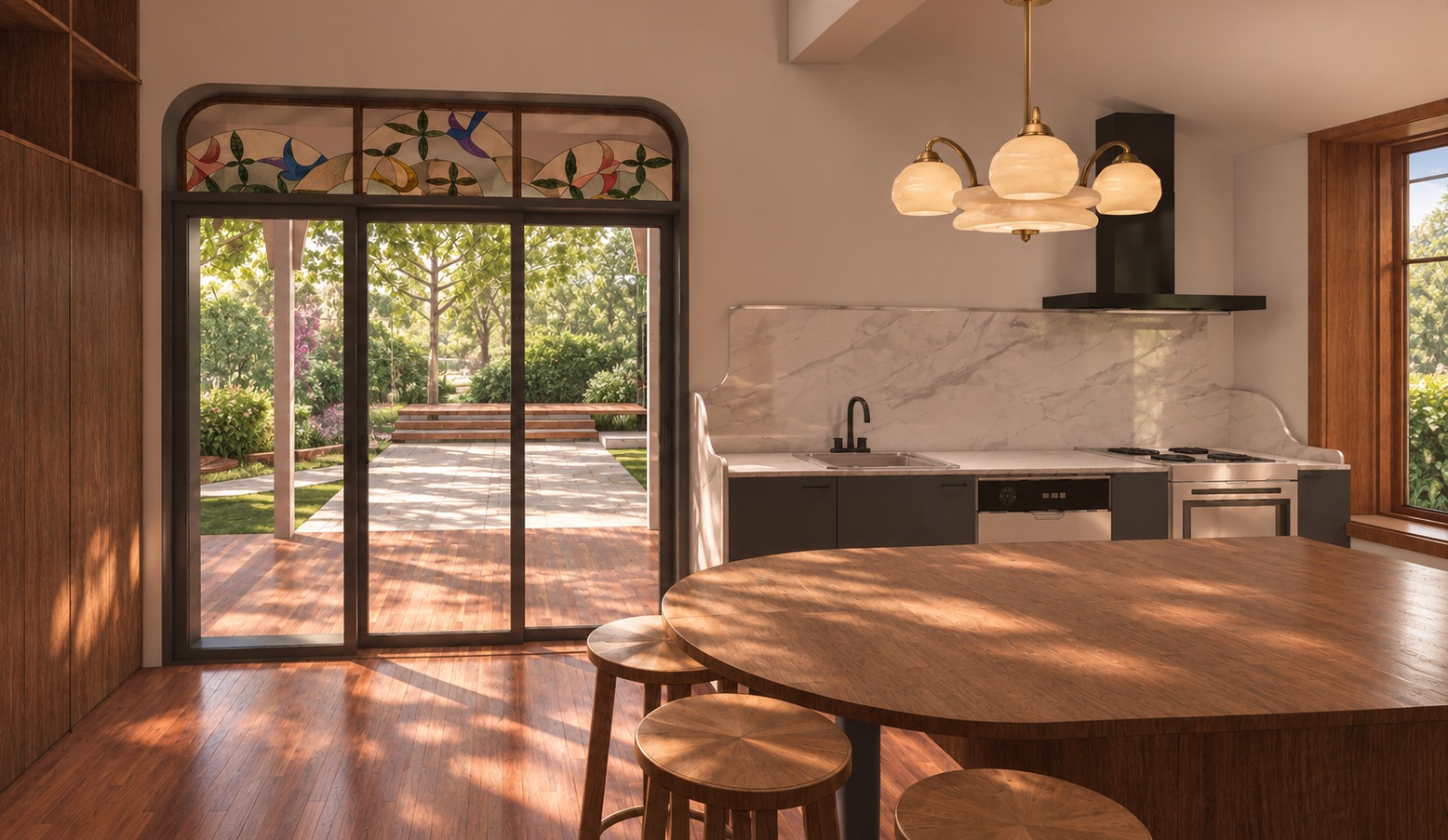
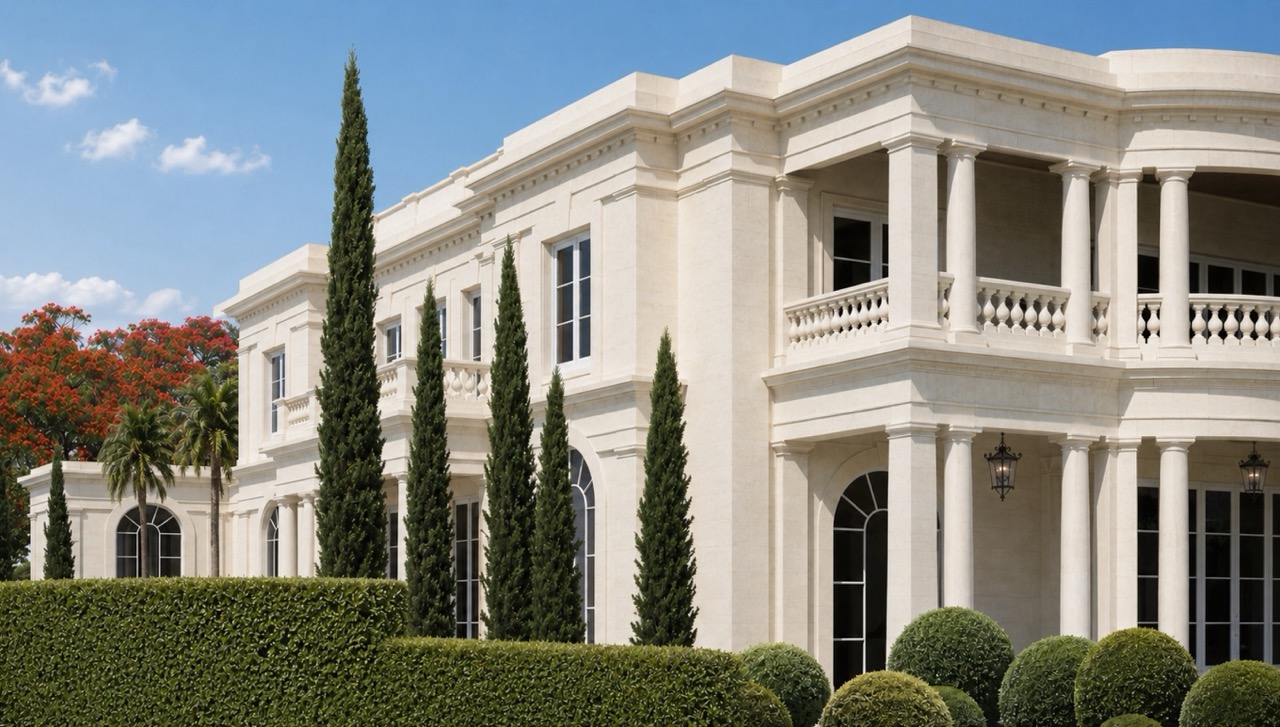
    The Architects Association, a professional, apolitical, grassroots organisation dedicated to the preservation and development of traditional, local architecture, warmly invites architects, academics and related professionals to its founding meeting in Sydney on 26 September 2026.

    Agenda

    • Vision and mission
    • Name and identity
    • Structure and membership
    • Draft constitution
    • Board election
    • Planning for the upcoming year

    Event Details

    Date: 1 pm, 26 September 2026
    Convenor: Jiri Lev
    Location: Sydney

    RSVP by 20 September 2026.